

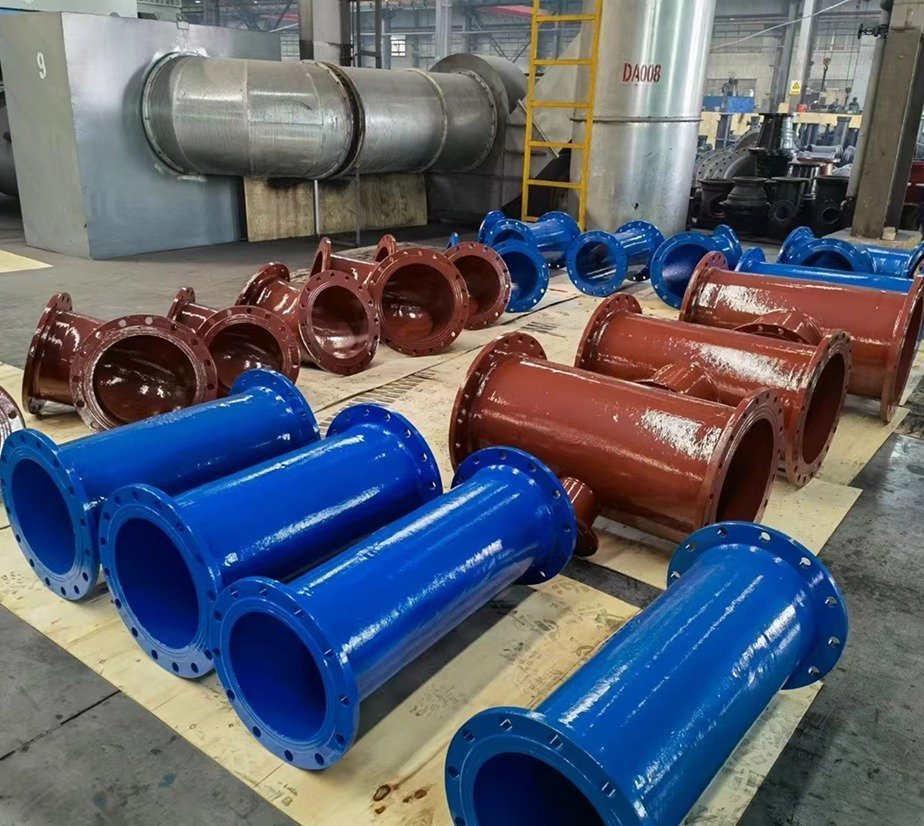
Dip Fittings Paints
Product List
PCBIT III HB Bitumenous Solution
- ( Bitumenous Coatings )
- Mixing Ratio:
- Volume Solid: 0.5
- D.F.T. per coat: 65 - 85
- T.S.R.: 5.0 - 6.0
PCBIT III HT
- ( Bitumenous Coatings )
- Mixing Ratio:
- Volume Solid: 0.47
- D.F.T. per coat: 65 - 85
- T.S.R.: 7.2 - 5.5
Bitumenous III QD 828
- ( Bitumenous Coatings )
- Mixing Ratio:
- Volume Solid: 0.45
- D.F.T. per coat: 30 - 50
- T.S.R.: 15.0 - 9.0
Bitalu 815
- ( Bitumenous Coatings )
- Mixing Ratio:
- Volume Solid: 0.46
- D.F.T. per coat: 80 - 120
- T.S.R.: 5.8 - 3.8
Sealcoat Black
- ( Bitumenous Coatings )
- Mixing Ratio:
- Volume Solid: 0.45
- D.F.T. per coat: 30 - 40
- T.S.R.: 15.0 - 11.3
Edelpoxy FN 132
- ( Epoxy Coating )
- Mixing Ratio: 3:1
- Volume Solid: 0.45
- D.F.T. per coat: 60 - 80
- T.S.R.: 7.5 - 5.6
Edelpoxy FN TM 142
- ( Epoxy Coating )
- Mixing Ratio: 3:1
- Volume Solid: 0.4
- D.F.T. per coat: 40 - 60
- T.S.R.: 10.0 - 6.7
Edelpoxy FN SL 151
- ( Epoxy Coating )
- Mixing Ratio: 2:1
- Volume Solid: 100%
- D.F.T. per coat: 400 - 500
- T.S.R.: 2.5 - 2.0

Edelclrx FN 221
- ( Chlorinated Rubber Coatings )
- Mixing Ratio:
- Volume Solid: 0.35
- D.F.T. per coat: 30 - 40
- T.S.R.: 11.7 - 8.0
Chanda Marking Paint
- ( Chlorinated Rubber Coatings )
- Mixing Ratio:
- Volume Solid: 0.42
- D.F.T. per coat: 8 - 10
- T.S.R.:
Edelpoxy ZRPR 92 107
- ( Zinc Based Primers )
- Mixing Ratio: 03:01:00
- Volume Solid: 0.37
- D.F.T. per coat: 25 - 50
- T.S.R.: 14.8 - 7.4
Autolac Zinc Rich Primer
- ( Zinc Based Primers )
- Mixing Ratio:
- Volume Solid: 0.38
- D.F.T. per coat: 20 - 30
- T.S.R.: 19.0 - 12.7
Dip Fittings Paints for Long-Lasting Protection in Demanding Environments
Dip fittings and industrial components require coatings that deliver consistent coverage, strong adhesion, and long-term resistance against moisture, chemicals, corrosion, and harsh operating conditions. Being a trusted Chlorinated Rubber Based Paints Manufacturer, Chanda Paints offers high-performance coating solutions designed to protect metal fittings and engineered surfaces while maintaining durability and finish consistency.
FAQs
1. What are dip fittings paints?
Dip fittings paints are industrial coatings applied to fittings and fabricated components to create an even protective layer that improves resistance to corrosion, moisture, chemicals, and environmental exposure.
2. Why are protective coatings important for dip fittings?
Protective coatings help extend service life, reduce surface degradation, improve durability, and protect components operating in industrial or corrosive environments.
3. Why choose a Chlorinated Rubber Based Paints Manufacturer for industrial coating requirements?
Choosing a specialized Chlorinated Rubber Based Paints Manufacturer ensures access to coating systems developed for strong adhesion, fast application cycles, corrosion resistance, and dependable long-term performance in industrial environments.
5. Why are coatings important for dip fittings?
Coatings help protect fittings from corrosion, moisture, chemical exposure, abrasion, and environmental damage while extending service life and reducing maintenance needs.
6. Which industries commonly use dip-fitting paints?
Dip-fitting coatings are widely used across engineering, fabrication, industrial manufacturing, infrastructure, machinery, process plants, and metal component production.
7. Can dip fitting paints resist chemicals and moisture?
Industrial coating systems designed for dip fittings can offer protection against moisture ingress, chemical exposure, salts, and environmental wear depending on the selected specification.
8. Which industries commonly use dip fitting coatings?
Dip fitting and protective coating systems are commonly used across engineering, fabrication, marine, chemical processing, infrastructure, machinery, and industrial maintenance sectors.
9. How do I select the right paint for dip fittings?
Selection should depend on substrate type, environmental exposure, chemical resistance requirements, expected lifespan, and operating conditions of the application.
10. Do industrial dip fitting coatings improve maintenance efficiency?
Yes. High-performance industrial coatings help reduce repainting frequency, support easier maintenance, and improve the long-term protection of coated components.