

Top Coats
Product List
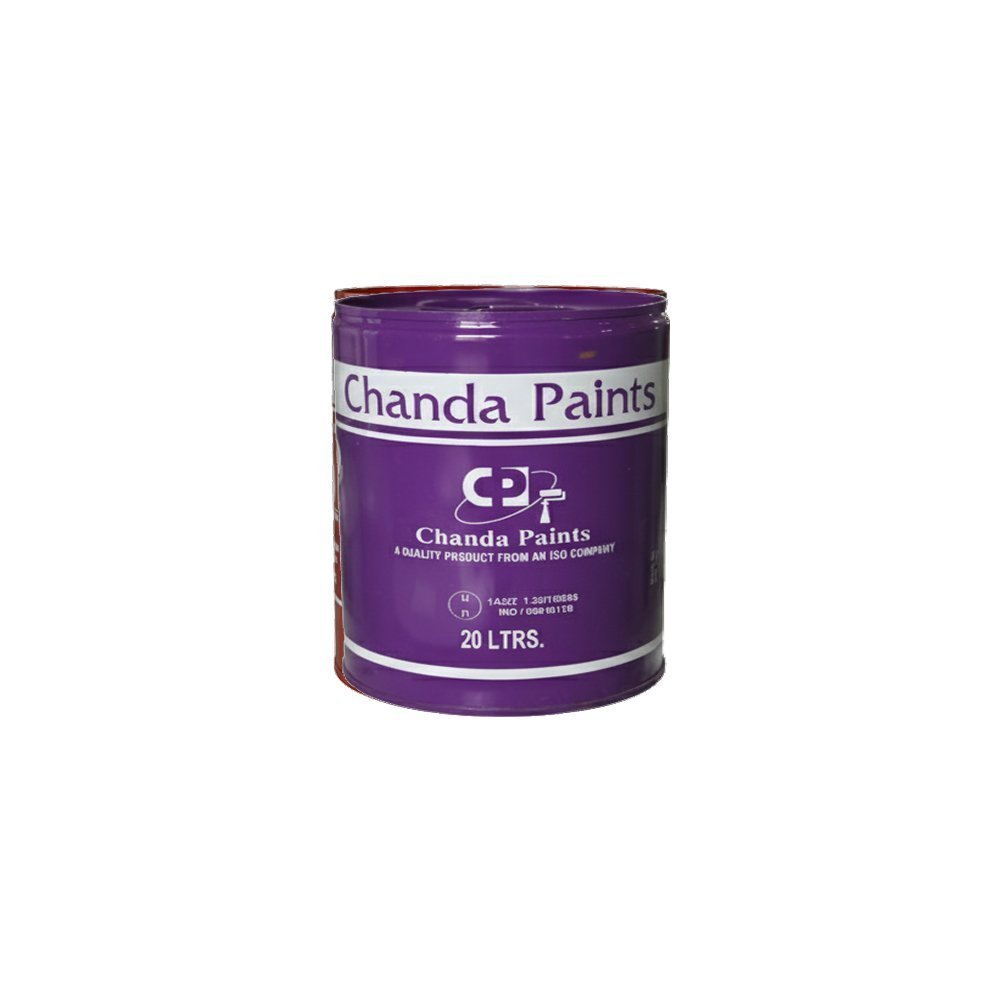
Edelpoxy STFN 161
- ( Epoxy Surface Tolerant )
- Mixing Ratio: 2.5:1
- Volume Solid: 0.82
- D.F.T. per coat: 100 - 125
- T.S.R.: 8.2 - 6.6
Edelpoxy STAL 162
- ( Epoxy Surface Tolerant )
- Mixing Ratio: 2.5:1
- Volume Solid: 0.8
- D.F.T. per coat: 100 - 125
- T.S.R.: 8.0 - 6.4
Edelpoxy ST 75 FN 163
- ( Epoxy Surface Tolerant )
- Mixing Ratio: 2.5:1
- Volume Solid: 0.75
- D.F.T. per coat: 100 - 125
- T.S.R.: 7.5 - 6.0
Edelpoxy STFN WET 164
- ( Epoxy Surface Tolerant )
- Mixing Ratio: 2.5:1
- Volume Solid: 0.85
- D.F.T. per coat: 100 - 150
- T.S.R.: 8.5 - 5.7
Edelpoxy CTE PR 168
- ( Coaltar Epoxy )
- Mixing Ratio: 3:1
- Volume Solid: 0.68
- D.F.T. per coat: 75 - 130
- T.S.R.: 9.1 - 5.2
Edelpoxy CTE FN 169
- ( Coaltar Epoxy )
- Mixing Ratio: 3:1
- Volume Solid: 0.68
- D.F.T. per coat: 75 - 150
- T.S.R.: 9.1 - 4.5
Edelpoxy CTE HB FN 170
- ( Coaltar Epoxy )
- Mixing Ratio: 1:1
- Volume Solid: 0.76
- D.F.T. per coat: 250 - 300
- T.S.R.: 3.1 - 2.5
Edelpoxy BTE FN 171
- ( Coaltar Epoxy )
- Mixing Ratio: 4:1
- Volume Solid: 0.48
- D.F.T. per coat: 75 - 100
- T.S.R.: 6.4 - 4.8
Edelpoxy Bitalu FN 172
- ( Coaltar Epoxy )
- Mixing Ratio: 4:1
- Volume Solid: 0.43
- D.F.T. per coat: 80 - 120
- T.S.R.: 5.4 - 3.6
Edel Alu 250 HR 601
- ( Heat Resistant ALumunium )
- Mixing Ratio: 2 Pack (Dual Pack)
- Volume Solid: 25%
- D.F.T. per coat: 15 - 20
- T.S.R.: 16.7 - 12.5
Edelsil 600 HR 602
- ( Heat Resistant ALumunium )
- Mixing Ratio:
- Volume Solid: 22%
- D.F.T. per coat: 20.0
- T.S.R.: 11.0
Edelsil HR 603
- ( Heat Resistant ALumunium )
- Mixing Ratio:
- Volume Solid: 38%
- D.F.T. per coat: 30 - 40
- T.S.R.: 2.7 - 9.5
Epoxy and PU Top Coats Delivering Superior Finish, UV & Chemical Resistance
Epoxy top coats by Chanda Paints are the final protective layer in industrial coating systems. It enhances surface durability, finish, and resistance, providing excellent protection against chemicals, abrasion, and impact. Get an overall appearance with a smooth, high-performance finish. Designed for demanding industrial environments, epoxy and PU top coats extend coating life and ensure long-term performance on metal, concrete, and equipment surfaces.
FAQs
1. What are epoxy top coats used for?
Epoxy top coats are applied as the final layer in a coating system to provide surface protection, durability, and resistance against chemicals, abrasion, and impact.
2. What is the difference between epoxy and PU top coats?
Epoxy top coats offer excellent chemical and abrasion resistance, while PU (polyurethane) top coats provide superior UV resistance, gloss retention, and weather durability.
3. Why are top coats important in industrial coatings?
Top coats protect the underlying layers from environmental damage, enhance appearance, and extend the overall lifespan of the coating system.
4. Where are epoxy and PU top coats commonly used?
They are used on metal structures, machinery, pipelines, storage tanks, and concrete surfaces across industries like construction, marine, and manufacturing.
5. What are the benefits of epoxy top coats?
They provide strong adhesion, high chemical resistance, excellent durability, and protection against wear and tear in industrial environments.
6. Are epoxy top coats UV-resistant?
Epoxy top coats have limited UV resistance. For outdoor applications, PU top coats are often preferred for better color and gloss retention.
7. How are top coats applied?
Top coats can be applied using spray, roller, or brush, depending on the surface and project requirements, ensuring a smooth and uniform finish.
8. How long do industrial top coats last?
With proper application and maintenance, epoxy and PU top coats can last several years, even in harsh industrial conditions.