
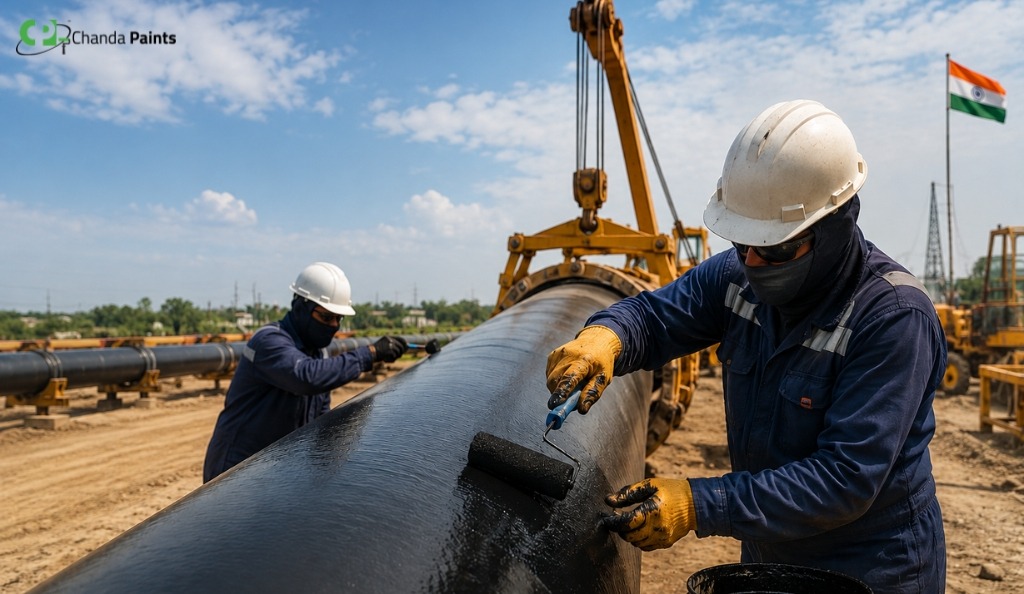
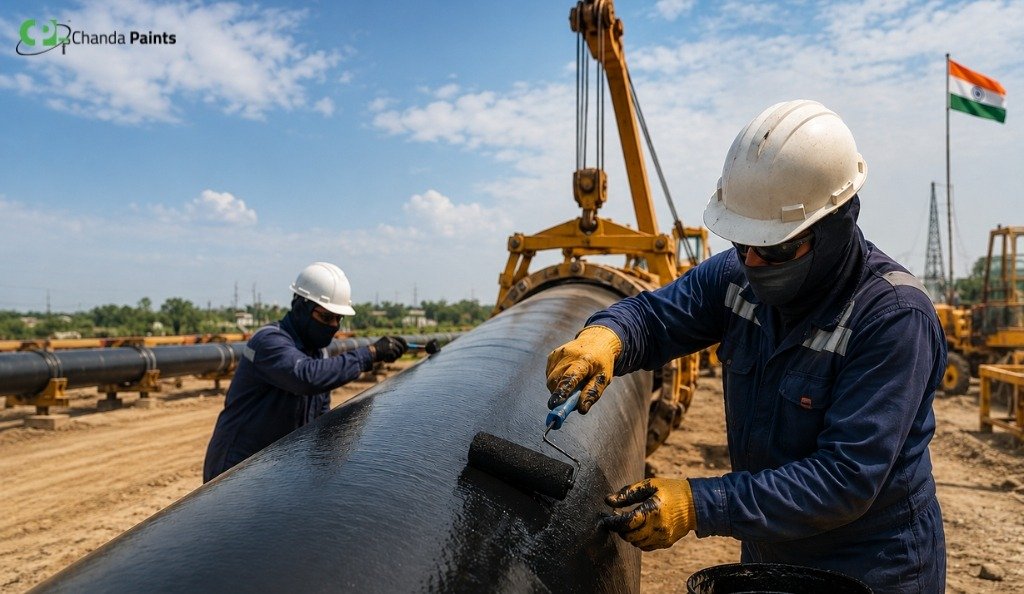
A pipeline failure rarely starts with a dramatic explosion. Most of the time, it begins silently when a tiny patch of corrosion is hidden beneath moisture, chemicals, salt exposure, or fluctuating temperatures.
A few months later, that small weakness turns into leakage, shutdowns, repair costs, environmental risks, and massive operational losses.
This is where choosing the right protective coatings manufacturer India becomes a strategic decision rather than a procurement formality. Learn how thry saves suge cost and safeguard the pipes.
Why Oil & Gas Pipelines Fail Faster Than Expected
Pipeline-grade steel is thought to be more durable than many industrial players and can provide adequate durability by itself. The truth of the matter is that even high-quality steel starts deteriorating in harsh conditions due to a lack of proper coating protection.
Here are just a few examples of such conditions for pipelines:
- High coastal humidity causes corrosion
- Soil moisture and microorganisms challenge underground pipes
- Industrial refineries expose pipes to chemicals and heat
- Offshore installations endure continuous attack by salty sea spray
- Thermal expansion occurs in desert areas
If you use substandard coatings, it only gets worse due to the fact that their cost savings can be far outweighed by increased maintenance costs. Professional industrial coating manufacturers in India almost always pay attention to life cycle costs over initial price. And it really does matter!
Why Industrial Protective Coatings in Pipeline Safety
Coatings in industry go far beyond enhancing aesthetics. But especially in oil and gas plants, coatings serve as protective barriers that aim to prolong the lifespan of infrastructure in harsh conditions.
Modern industrial protective coatings are formulated to:
Resist Corrosion and Rust Formation
Corrosion is still the most damaging factor for steel pipelines. Once the oxidation process starts within the material, the structure becomes weaker and weaker. By creating a barrier layer, different types of anti corrosion coatings prevent moisture and oxygen from penetrating the metal substrate.
Handle Chemical Exposure
Oil and gas facilities are exposed to hydrocarbons, solvents, acids, and other industrial chemicals regularly. While traditional coatings are vulnerable to softening, cracking, or peeling due to their harshness, epoxy and polyurethane coatings can withstand such aggressive exposure.
Improve Mechanical Durability
Pipelines experience abrasion during transportation, installation, and operation. High-performance coatings help resist scratches, impact damage, and surface wear.
Protect Against Moisture Penetration
Moisture intrusion is one of the primary causes of coating failure. Reliable waterproof coating solutions prevent water migration and reduce the risk of under-film corrosion.
Why Epoxy Coatings Dominate the Oil & Gas Industry
This is why epoxy systems find extensive use in pipeline, storage tank, and industrial construction applications.
A reputable epoxy coating manufacturer recognizes the versatility of epoxy coatings. Various applications need different types of epoxy formulations based on factors such as operating temperature and exposure conditions.
Epoxy coatings remain popular because they offer:
- Strong adhesion to steel surfaces
- Excellent corrosion resistance
- High chemical resistance
- Long operational life
- Low permeability to moisture
- Better structural protection in underground pipelines
As an example, Fusion Bonded Epoxy (FBE) coating is popular in transmission lines as it provides high resistance to corrosion while remaining highly adhesive at different temperatures.
On the other hand, the multi-layer epoxy systems alongside polyurethane topcoats for UV resistance and durability.
In reality, a quality-focused protective coatings manufacturer in India usually works backward from the operating environment rather than offering generic products for every application. That consultation-driven approach often saves industries far more money over time.
How Indian Protective Coating Manufacturers Are Evolving
India’s coating industry has evolved tremendously in recent years.
In the olden days, numerous industries used to rely extensively on imports for solutions needed for their important projects. Nowadays, various manufacturers from India are coming up with coatings that can compete in the global market
Modern industrial coating manufacturers in India are now investing heavily in:
Advanced R&D
New coating technologies are being developed for:
- Higher heat resistance
- Faster curing
- Better chemical resistance
- Longer maintenance cycles
- Eco-friendly formulations
Custom Coating Systems
Different pipeline environments require different protection strategies. Manufacturers are increasingly offering customized systems instead of standard catalog products.
Sustainable Coating Technologies
The push towards using low-VOC or solvent-free technologies by VOC regulation and environmental compliance ensures that performance is not sacrificed in the process.
Choosing the Right Protective Coatings Manufacturer India
Not every supplier is equipped to handle oil and gas infrastructure requirements.
Before selecting a manufacturer, industries should evaluate several factors beyond pricing.
Industry Experience
Oil and gas environments demand specialized technical understanding. Manufacturers with proven industrial project experience usually deliver more reliable recommendations.
Technical Support
Strong technical guidance during application and maintenance can significantly improve coating performance.
Product Certifications
Look for compliance with industrial quality and testing standards relevant to durable anti corrosive paint solutions for industrial use.
Customized Solutions
Avoid manufacturers pushing generic coating systems for every environment. Pipeline conditions vary widely across India.
Long-Term Reliability
The real question is not whether the coating looks good after application. The real question is whether it still protects the asset after 10-15 years of operational exposure.
Future Trends in Pipeline Protective Coatings
The future of industrial coatings is moving toward smarter and longer-lasting protection systems.
Several emerging trends are already shaping the market:
- Smart Coatings: Researchers are developing coatings capable of detecting corrosion activity before visible damage appears.
- Nano-Coating Technologies: Nanotechnology is improving coating density, adhesion, and chemical resistance.
- High-Temperature Resistance: As industrial operations become more demanding, coating systems are evolving to withstand extreme heat conditions without breakdown.
- Reduced Maintenance Cycles: Industries increasingly prefer coatings designed for longer inspection and recoating intervals to reduce downtime costs.
Final Thoughts
In the oil and gas industry, pipe protection cannot be done on the cheap. A corrosion-related incident may result in huge financial implications and environmental liabilities.
Selecting the appropriate protective coatings manufacturer India comes down to safeguarding your investment in infrastructure over the long haul. Top manufacturers like Chanda Paints do more than just manufacture coatings
At Chanda Paints, we engineer systems specifically tailored to actual operating environments. If you are looking at new infrastructure developments in pipelines, refineries, or other industrial sectors, connect with us today!